
The 7-Day Insider's Guide to Studying Architecture prepares you for what the degree actually involves.
So you arrive ready, and confident it's the right course for you.
Most students arrive at architecture school with little idea of what the degree actually involves.
The 7-Day Insider's Guide to Studying Architecture helps you arrive prepared and ready to hit the ground running.
It walks you through how architecture is taught at degree level, how the design process works in practice, and what studio culture is really like. By the end, you'll have a working sense of how architecture students approach building design and the techniques involved.
It's ideal preparation for the degree - and a way to confirm that architecture is the right choice if you're still deciding.
What is an architecture degree actually like to study?
Whether you already hold an offer or are still weighing whether architecture is the right choice, the question is the same - what is this degree actually like to study?
The problem is that architecture isn't taught at school or college in any meaningful way. Prospectuses describe the structure rather than the experience, and even an open day only really shows you what the working environment will look like - not what it feels like to actually study architecture.
That's why I created the course - to give students a real sense of the subject before they commit to it.
Whether you're preparing for the degree or still deciding, it shows you what studying architecture involves.

Liz Bromley
Architectural Educator and Designer
My Background:
Associate Professor and Head of the Year 1 Architectural Design Studio at the University of Nottingham (2004-22). Over 18 years, I worked closely with more than 3,600 architecture students - responsible for their academic development and for their transition into university life.
During my time there, the Nottingham architecture degree:
- consistently ranked within the top 10 in the Guardian League Tables
- ranked joint 3rd in the AJ100 survey of practice (2020)
- received a rare RIBA commendation in 2018 for the way Year 1 supports students transitioning from school to university
My role was to take students from little or no prior exposure to architecture to capable, confident design thinkers within their first nine months. It also showed me where students struggle in the first year, and what they tend to wish they'd known before they arrived. That experience is what this course is built on.

Course Content:
What's included:
-
Seven days of lessons, each with practical exercises.
-
Two bonus modules.
-
Optional group tutorials, running alongside the course.
The course is online and on-demand, so you can work through it at your own pace. The group tutorials run alongside the course as an optional point of contact - a chance to ask questions, discuss what you're working on, and connect with other students taking the course.
The seven core modules:
Day 1 – Drawing Perspectives
Covers why drawing is fundamental to architecture, and how architects use it to think through and communicate ideas.
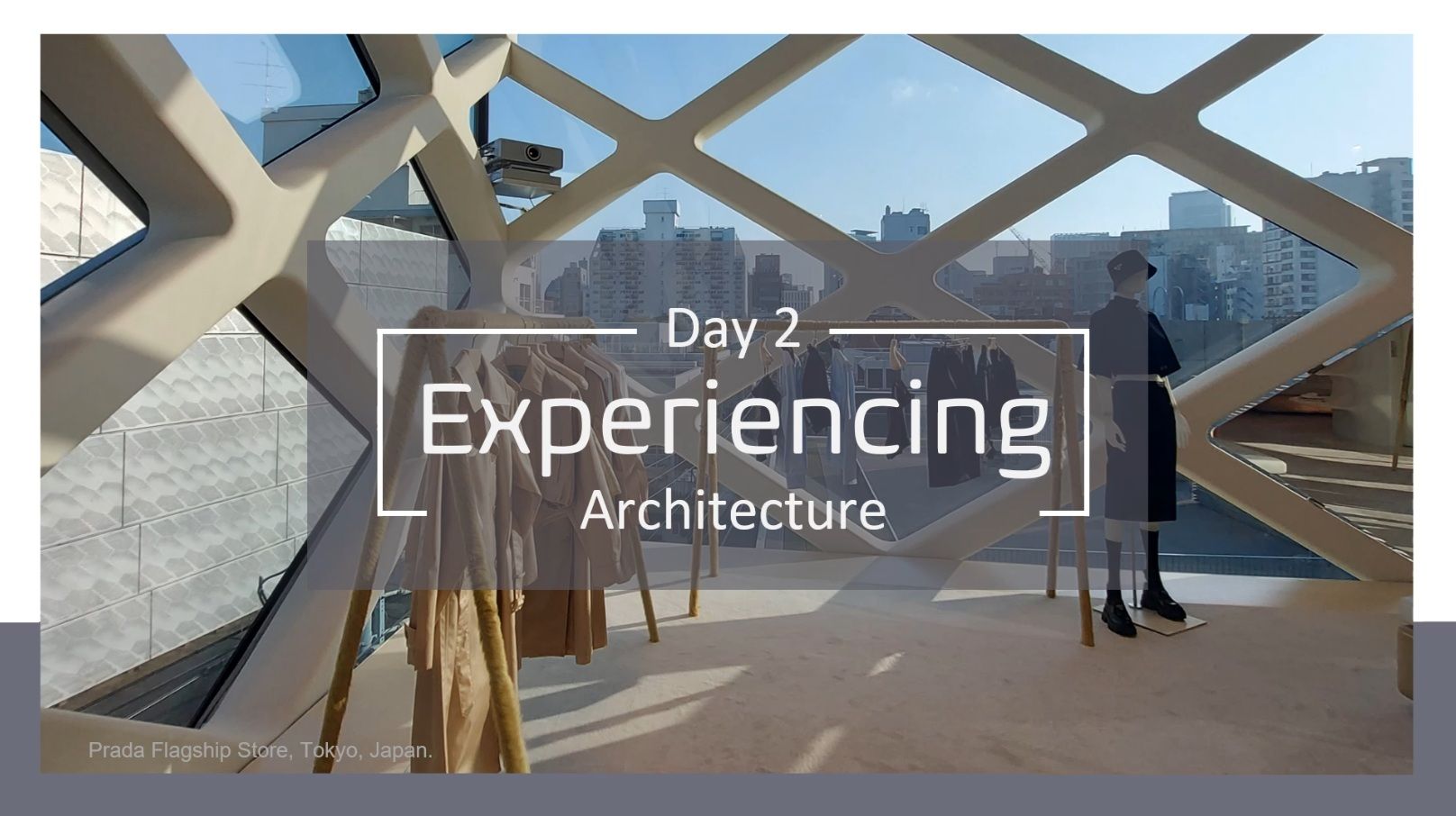
Day 2 – Experiencing Architecture
Explores how we instinctively understand and respond to buildings and spaces, and why experience sits at the heart of architectural design.
Day 3 – Designing for People
Looks at who architecture is designed for, the role of the client, and how architects respond to needs, wants, and constraints.
Day 4 – Site and Context
Shows how buildings relate to their surroundings, and how site conditions shape design decisions.
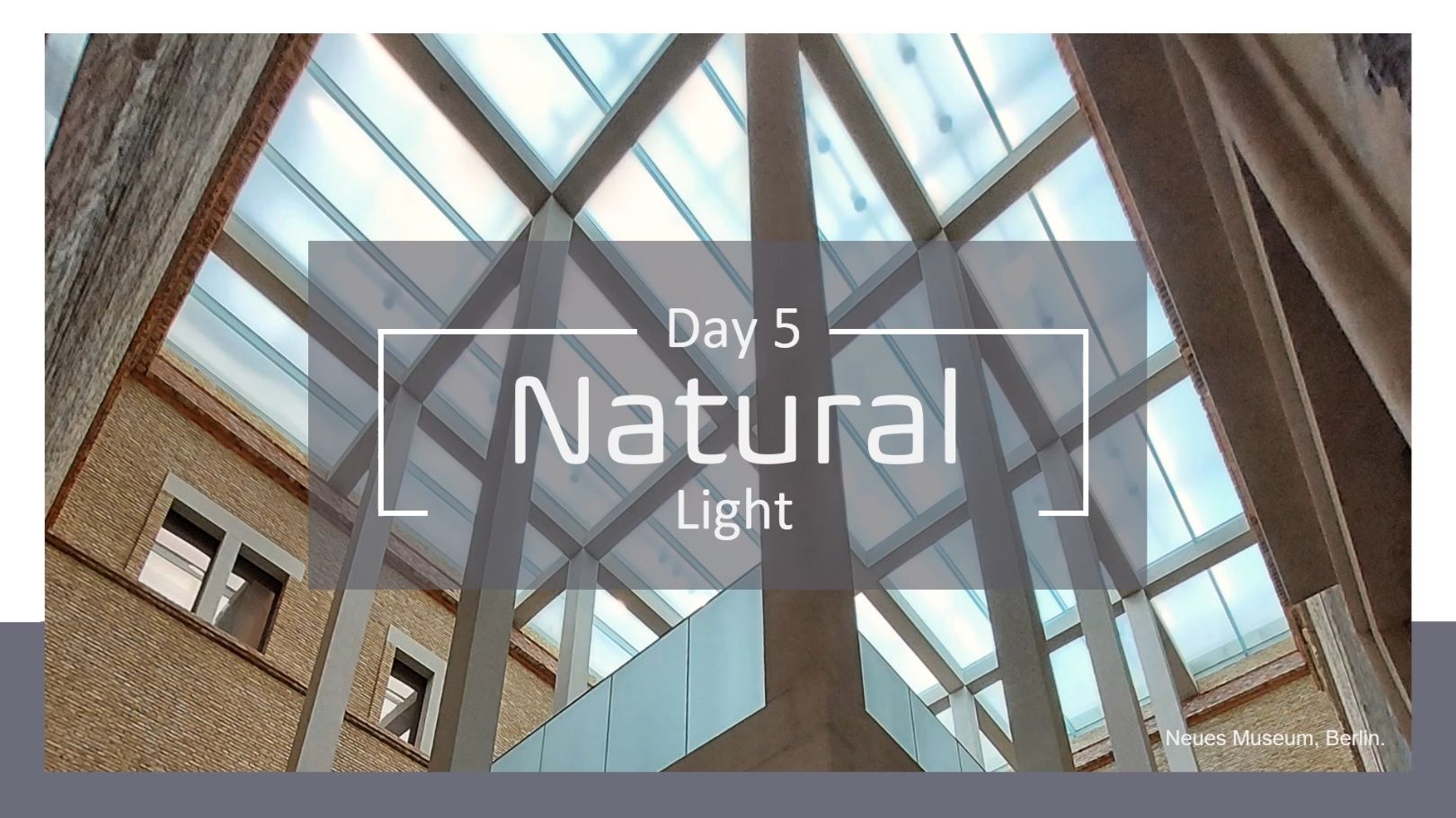
Day 5 – Natural Light
Examines how architects use light for both practical and poetic purposes.
Day 6 – Architectural Representation and Communication
Offers an overview of the ways architects develop and communicate design ideas, both at university and in practice.
Day 7 – The Architectural Design Process
Brings the themes together to understand how architectural ideas are developed, tested, and refined over time.
Bonus modules:
Bonus Module 1 – Architecture Courses
An overview of how architecture courses can vary across UK universities, from highly conceptual and creative approaches to more technical and pragmatic ones.
Bonus Module 2 – Studying Architecture VS Working in Practice
Exploring the differences between life as an architecture student and working as an architect in practice.

Karina K
This course has completely changed the way I perceive architecture.
Before taking it, my understanding of architecture was largely focused on form and appearance, but the course helped me realise that it is so much more than that.
It gave me a much deeper understanding of aspects of architecture that are rarely taught in schools, particularly the importance of how people interact with spaces, the experiences that buildings create, and the role that thoughtful design plays in shaping those experiences.
I also gained a greater appreciation for how essential interior design and spatial considerations are throughout the entire design process.
The insightful content was presented in a way that was easy to understand, allowing me to build a much stronger foundation in architectural thinking, the importance of drawings as a means of communication, and the value of thinking creatively and beyond conventional solutions.
The tutorials were especially beneficial, as they provided the opportunity to ask questions, discuss ideas in detail, and work through concepts, which further strengthened my understanding of the material.
Overall, this course has given me knowledge and perspectives on architecture that I would not have gained through school alone, making it an incredibly valuable learning experience.
What you'll gain from the course:
The 7-Day Insider's Guide to Studying Architecture gives you a real understanding of what studying architecture involves. By the end, you'll arrive at your degree prepared, and ready to hit the ground running.
For students still weighing the decision, the course also makes that decision easier.
Some finish it more certain than ever that architecture is the right choice. Others realise it isn't, and instead choose a degree more suited to them.
On the next page, you'll see the three ways to take part - so you can choose the level of support that suits how you like to learn.

Liz's passion for architecture shines through the whole course. The way she presented the material and shared her insights confirmed my decision to pursue architecture and gave me the confidence that this is the right path for me.
It left me inspired and excited.
_
Krish B
Aspiring Architecture Student